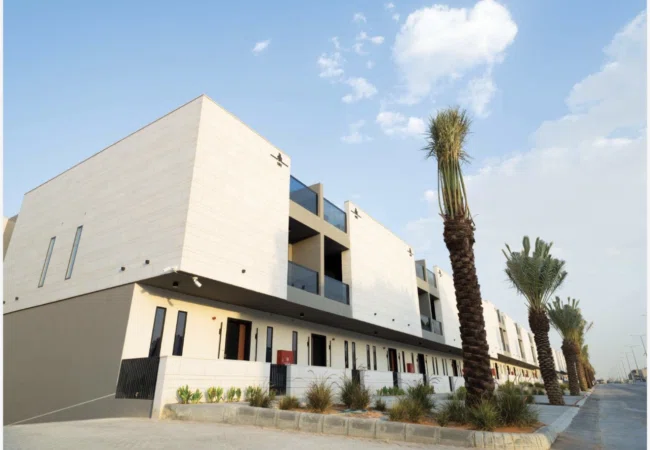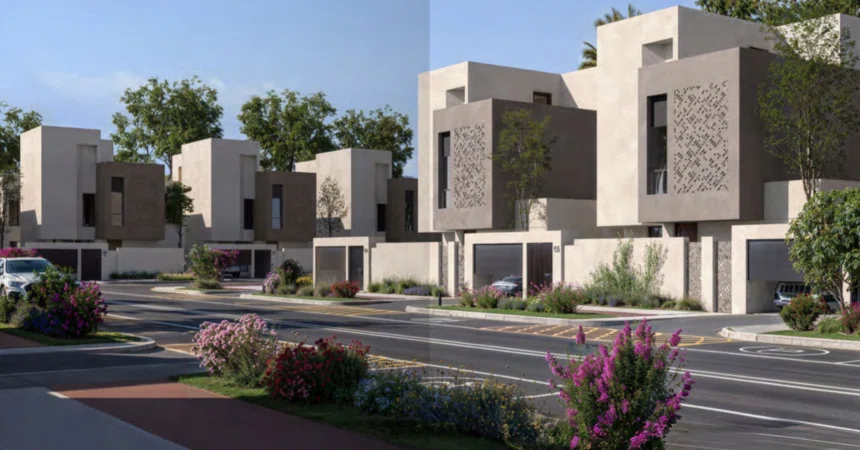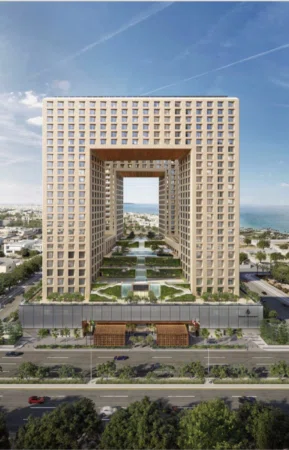
Object typeResidential
Completion dateQ2 2026
DeveloperMiddad
Total areafrom 242 m² to 1134 m²
Down Payment15%
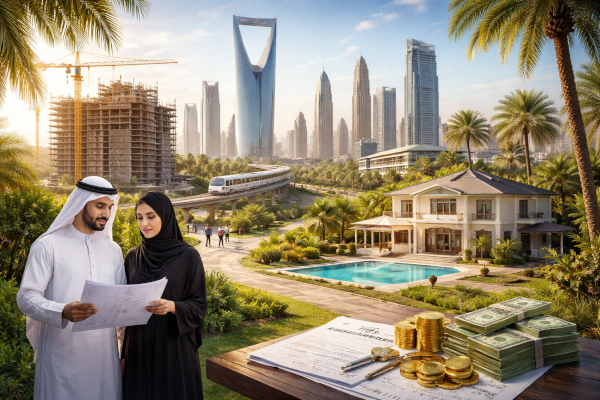
In 2026, Saudi Arabia significantly changed the rules of the game in the real estate market by allowing foreign citizens and companies to purchase properties within the country for the first time. This move was part of a series of sweeping reforms and has already attracted interest from international investors.
Since January 2026, foreigners have been officially permitted to purchase real estate in the Kingdom. The new rules apply to both private investors and businesses.
They now have access to various property categories:
In addition, the purchasing process has become more modern: transactions can be completed via a digital platform with the option of remote participation after identity verification.
Despite the opening of the market, the government retains control over the sector:
For foreign investors, the Saudi Arabian market in 2026 offers a wide range of opportunities:
Conditions have become particularly attractive following the full opening of the capital market on February 1, 2026, when the removal of restrictions for qualified foreign investors and the provision of direct access to the Saudi stock exchange Tadawul without additional investor qualification requirements created incentives for the inflow of foreign capital, increased liquidity, and strengthened the country’s status as an international financial center.
Saudi Arabia is actively developing its infrastructure, investing significant funds in megaprojects to expand and green cities as part of the Vision 2030 strategy. Meanwhile, the kingdom’s total state budget, approved for 2026, amounts to approximately $349–350 billion (≈1.31 trillion SAR).
The modernization effort includes the construction of new international and regional airports, transportation corridors, resorts, entertainment zones, and smart cities, which contributes to the growth of tourism and enhances the country’s investment appeal.
Plans are in place to increase tourism’s contribution to the country’s GDP to 10% by 2030, expand the hotel network, and improve logistical accessibility throughout the kingdom.
The opening of the real estate market is directly linked to the country’s long-term development strategy, which aims to reduce dependence on oil revenues.
Real estate is viewed as a key tool for:
As a result, the market is becoming more dynamic and attractive to international capital.
The 2026 reform marked a key milestone in the development of Saudi Arabia’s real estate market. On the one hand, the country has opened up to foreign investors and simplified purchase procedures; on the other, it has maintained a system of control through restrictions and zoning.
This approach allows for simultaneously stimulating capital inflows and maintaining market stability, making it one of the most promising investment destinations in the region.