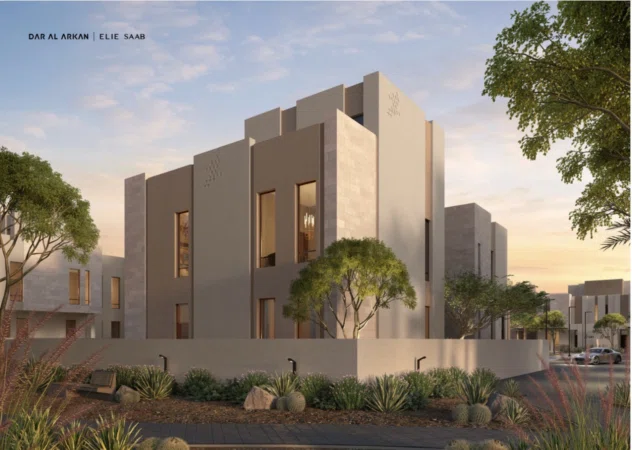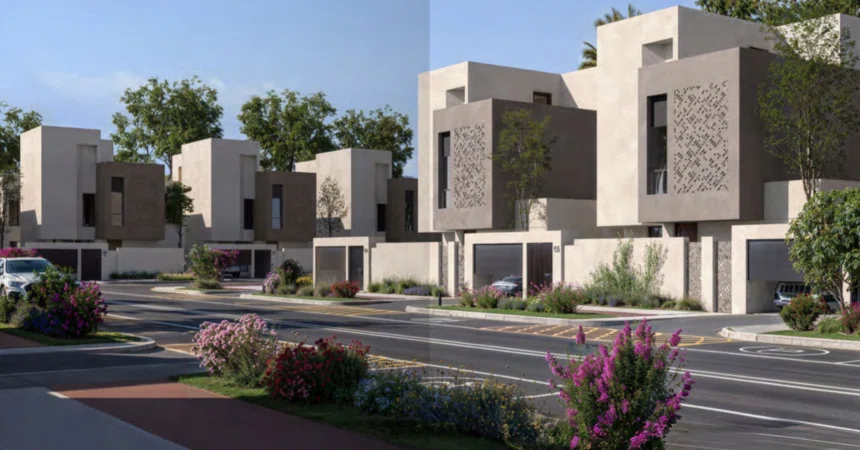
Object typeResidential
Completion dateQ2 2027
DeveloperRetal
Total areafrom 412 m² to 512 m²
Down Payment266 $
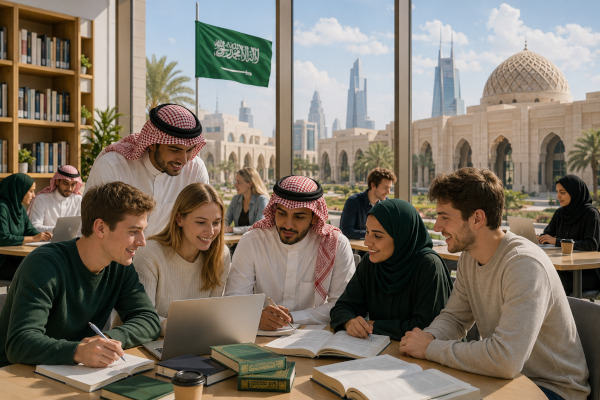
In recent years, Saudi Arabia has become one of the fastest-growing educational hubs in the Middle East. As part of its Vision 2030 national program, the country is modernizing its universities, investing in research, and making education more accessible to international students. Today, Saudi Arabia attracts prospective students with its modern campuses, international programs, and the opportunity to receive a quality education through both fee-based and grant-funded options.
Foreign students can apply to both public and private universities in Saudi Arabia. Many institutions actively collaborate with international educational organizations and offer programs taught in English, particularly in the fields of engineering, information technology, medicine, business, and science.
The most popular universities among international students are:
KSA places particular emphasis on attracting talented students from abroad. Many public universities offer special scholarship programs that can fully cover tuition costs. In addition, students are often provided with dormitory housing, health insurance, monthly stipends, and additional benefits.
Tuition costs vary by university and program of study. At public universities, tuition for international students starts at approximately $1,000–$3,700 per year, while tuition at private universities can range from $12,000–$20,000 annually and higher.
To apply, international students are usually required to submit:
Some universities also conduct interviews or internal entrance exams. Certain institutions also set age limits for undergraduate programs — most commonly between 18 and 25 years old.
Most major universities have their own campuses with modern infrastructure. Students have access to dormitories, libraries, sports facilities, research laboratories, and recreational areas. When receiving a grant, housing is often provided free of charge or on preferential terms.
Foreign families living in Saudi Arabia can enroll their children in international schools. The country has schools that follow British, American, French, and other educational systems. The primary language of instruction at most of these schools is English.
International schools are particularly common in major cities—Riyadh, Jeddah, and Dammam. They offer modern facilities, international curricula, and a high standard of education. Tuition costs vary depending on the school’s ranking and the educational program and can range from several thousand to tens of thousands of dollars per year.
The education system in Saudi Arabia includes preschool, school, and higher education.
School education is divided into three stages:
For Saudi citizens, education in public schools and universities is free. Schools teach Arabic, religious studies, mathematics, natural sciences, English, computer science, and history.
Traditionally, boys and girls were educated separately in Saudi Arabia, but in recent years the education system has been gradually modernized as part of government reforms.
After graduating from high school, students take final exams and may continue their education at universities, colleges, or vocational schools.
Today, Saudi Arabia is actively developing research, digital technologies, and international educational cooperation, striving to strengthen the country’s position as one of the region’s leading educational hubs.