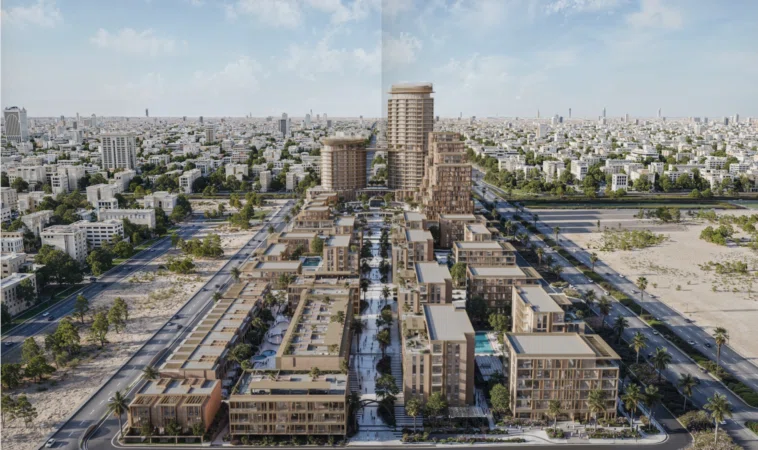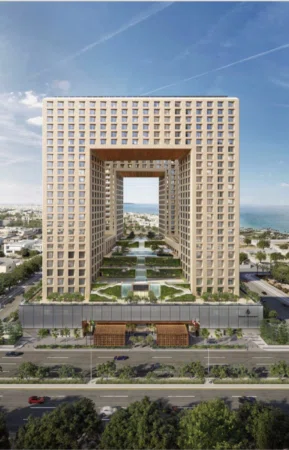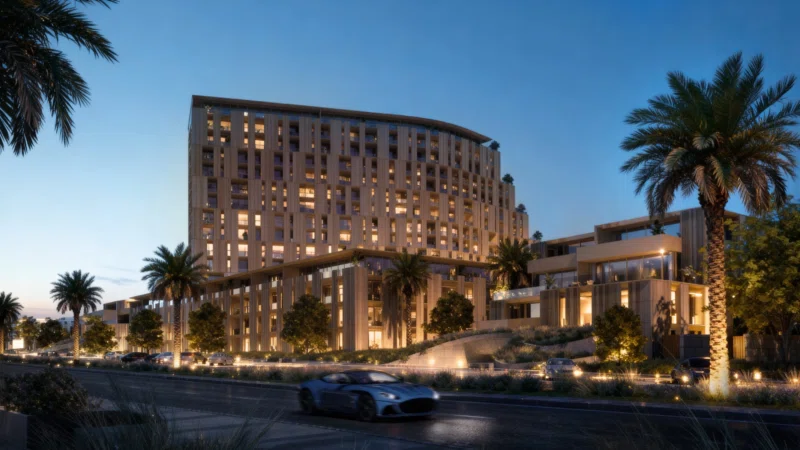
Object typeResidential
Completion date–
DeveloperOsus Real Estate
Total areafrom 65 m² to 280 m²
Down Payment5%
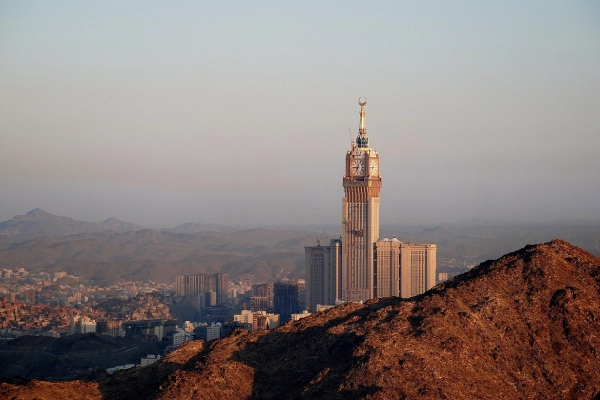
A historic turning point
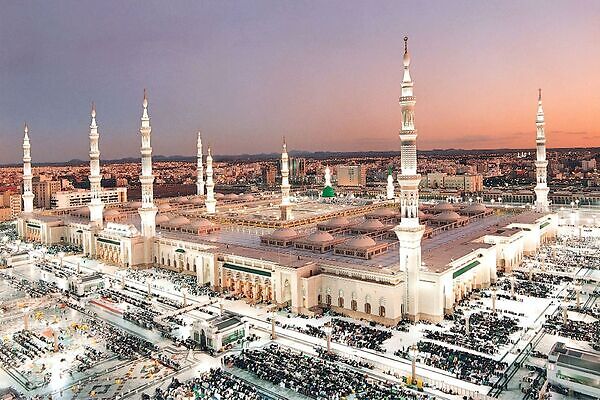
Since January 2026, a large-scale legislative reform has come into force. Foreigners can now own real estate of various types and land. Special zones have been allocated for this purpose, which are expected to be extensive and with minimal investment risks. For those who practice Islam, access to the markets of Mecca and Medina is also available.
After purchasing property, you can start renting it out provided that local regulations are followed. For long-term rentals, registration of the contract on the Ejar platform is required.
Registration process:
Through the platform it is possible to manage payments, as well as resolve disputes and receive legal support. Contracts are automatically renewed if no one submits a termination notice 60 days before the expiration date.
For short-term rental of property, it is necessary to obtain a license from the Ministry of Tourism:
– License cost: 1100 riyals per year (approximately $293). The application is submitted through the electronic portal.
– Required documents: proof of ownership (title deed or lease contract), owner’s ID.
– Special requirement for Al Ula: registration through the Royal Commission of Al Ula.
– Additional requirements: registration on the Shomoos platform (a security system for collecting guest data), presence of fire extinguishers and a first aid kit, provision of information about parking, waste disposal, and amenities.
Short-term rental platforms are required to verify license numbers and remove listings if they are absent.
In pilgrimage cities a seasonal licensing system operates. Particularly high demand occurs during the Hajj season (July–August) and Umrah (in different months throughout the year), when rates can be significantly higher.
Taxes or their absence?
In Saudi Arabia there is no personal income tax for long-term rentals. This means that you do not pay any percentage of the income, which makes the kingdom so attractive for investments.
However, for short-term rentals, if the annual income exceeds 100,000 USD, it is required to pay 15% VAT.
Rent freeze in Riyadh (September 2025 – September 2030)
This is a complete freeze of prices at the current level (September 2025) for residential and commercial rent in Riyadh. It applies both to current contracts and to new ones (in this case the price is determined by agreement between the landlord and the tenant and then does not change until 2030). This provides stability for investors, as their income cannot fall below the designated price, although it will not increase in the next few years.
In other cities there is no rent freeze, but REGA (Real Estate General Authority) is considering its expansion, therefore we recommend regularly monitoring the news.
Average rental prices
In Riyadh a studio in a good area can be rented out long-term for 2600 riyals per month (approximately 690 USD), a one-bedroom apartment for 3500 riyals (930 USD), a two-bedroom apartment for 5000 riyals (1330 USD), and a three-bedroom villa for 15–19 thousand riyals (4000–5000 USD).
In Jeddah the average rental cost is approximately the same, except for premium districts where a two-bedroom apartment costs 5–6.5 thousand riyals per month (1330–1730 USD).
Dammam is the most affordable city for renting and purchasing real estate. A studio will bring 1300–1700 riyals (350–450 USD), a one-bedroom apartment 1500–1700 riyals (400–450 USD), a two-bedroom apartment 2000–3000 riyals per month (530–800 USD).
Income from short-term rental
Riyadh, premium districts: on average 250 riyals per day (67 USD) for a studio, occupancy about 60%.
Jeddah, Corniche district: 220 riyals per day (59 USD) for a studio, occupancy about 60%.
Mecca and Medina: Pilgrimage (Hajj and Umrah) attracts more than 30 million people annually. Peak months give rates 3–5 times higher than usual. However, a non-Muslim cannot directly own property here. The solution in this case is to invest through a local company.
For capital growth: NEOM, Red Sea Global, northern districts of Riyadh and the coast of Jeddah. Mega projects will develop for 5–10 years, after which prices will rise.
For cash flow: Jeddah (no rent freeze), short-term rentals in Mecca/Medina (through a company), premium districts of Riyadh (stable demand despite the freeze).
For beginners: start with long-term rental in Jeddah or Dammam. Less regulation, easier management.
Before making a decision, we recommend consulting with professionals who will help determine your goals and choose the optimal way to achieve them.
Saudi Arabia is an emerging market with low taxes and growing demand. It is not suitable for short-term flipping, however it may grow significantly within 5–10 years, as happened in the UAE. For investment it is necessary to understand the legislation and the specifics of the kingdom, but ultimately it will bring stable income and an asset with future potential. Professional brokers of Housebook can consult you on all questions and will обязательно check the property before purchase.